The best construction training providers in Melbourne aren’t all offering the same thing. Some specialise in High Risk Work licence training and plant operation. Others are better suited to apprenticeships, civil construction qualifications or people moving towards supervisory and building roles.
So before choosing a provider, start with the training outcome you actually need. Check the course or Unit of Competency, whether the provider is a Registered Training Organisation (RTO), where practical training takes place and what prerequisites apply.
Here are 6 Melbourne construction training providers worth comparing, based on their current course offerings and the types of students they cater for.
1. Construction Training International
Construction Training International (CTI) is based at Riddells Creek, north of Melbourne, and operates as RTO No. 7107. The course range is particularly broad for people working with cranes, lifting equipment, plant and High Risk Work.
Current training includes:
- Dogging
- Basic through advanced rigging
- Scaffolding
- Crane operation
- Earthmoving
- Forklifts
- Hoists
- Elevating work platforms
- Workplace spotting
- Confined spaces
- Working at heights
- White Card training
CTI also offers:
- RII30920 Certificate III in Civil Construction – General
- RII30820 Certificate III in Civil Construction – Plant Operations
CTI offers a broad range of training, allowing you to build on your existing skills as your career progresses. You could start with dogging before moving into rigging or specific crane licence classes, completing each stage of your training with the same provider.
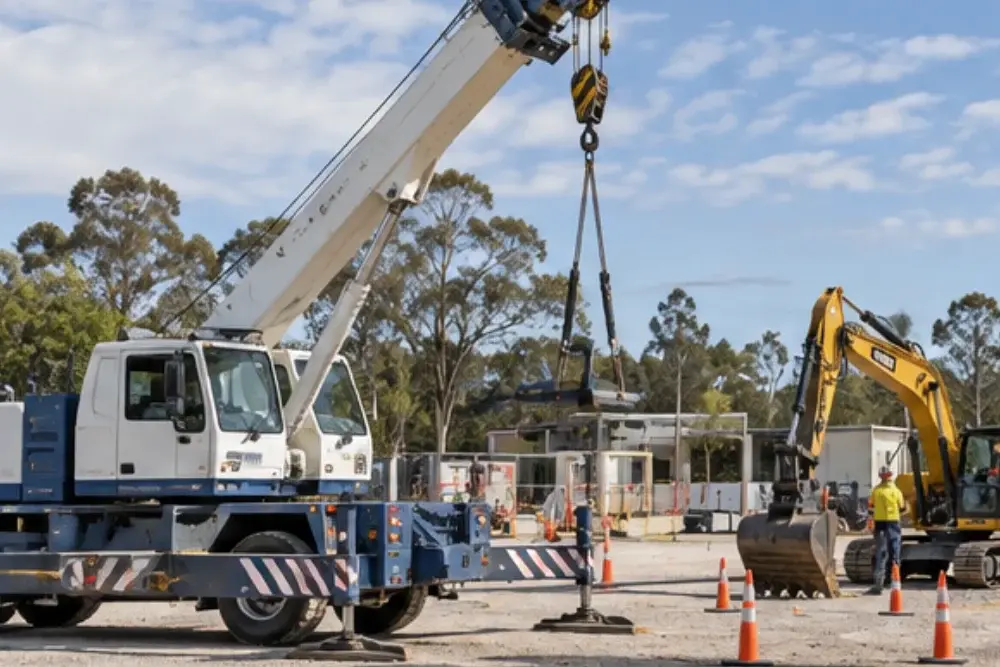
CTI’s purpose-built Riddells Creek facility has tower cranes, mobile cranes, forklifts, hoists, excavators and bobcats for hands-on training. CTI is also the only training provider in Victoria to offer on-site open crane training on a real open crane from day one. Some training can also be arranged off site, provided the workplace and equipment meet the necessary requirements.
You can browse CTI’s construction courses or compare its civil construction qualifications before deciding which route suits your work.
2. CFMEU Education & Training
CFMEU Education & Training operates from Port Melbourne and is RTO No. 3688. It is owned and operated by the Construction Division of CFMEU VIC/TAS, but its courses are also available to non-union members.
Its current training covers a substantial range of construction and High Risk Work areas.
Training includes:
- Dogging and rigging
- Mobile and tower cranes
- Scaffolding
- Forklifts and telehandlers
- Elevating work platforms and hoists
- Traffic management
- White Card training
- Specialist short courses
For workers already based around inner Melbourne, its Port Melbourne location may be convenient. Entry requirements vary considerably between courses, so check these carefully rather than assuming previous construction experience alone will qualify you.
3. MultiSkills Training
MultiSkills Training (RTO 40846) delivers construction and High Risk Work training from campuses in Werribee and Geelong, with some courses also available on site.
Its current High Risk Work course range includes:
- Dogging
- Basic and intermediate rigging
- Basic and intermediate scaffolding
- Forklifts
- Boom-type elevating work platforms over 11 metres
- Non-slewing cranes
- C2 slewing mobile cranes up to 20 tonnes
- C6 slewing mobile cranes up to 60 tonnes
MultiSkills also offers Certificate III qualifications in Civil Construction Plant Operations and Rigging. Its Certificate III in Rigging includes dogging, basic and intermediate rigging and boom-type elevating work platform licence training alongside broader construction competencies.
For students based in Melbourne’s west, MultiSkills offers access to practical construction and High Risk Work training from its Werribee campus. Its course range covers several licence classes and training areas commonly needed across construction, lifting and plant-related work.
4. Holmesglen Institute
Holmesglen (RTO 0416) offers a different mix again. Its civil construction training includes RII30920 Certificate III in Civil Construction programs as well as shorter industrial skills courses.
The Certificate III can combine campus and workplace training and includes practical skills around areas such as mobile plant, earthworks and traffic control. Holmesglen also offers individual courses such as Licence to Perform Dogging and trenching and shoring training.
Holmesglen has five campuses, with the Drummond Street campus in Chadstone focused on electrical, workplace health and safety, industrial skills and civil construction training.
Holmesglen is particularly worth investigating if you are comparing longer VET pathways rather than looking only for a single ticket. Some programs require you to be employed and have the appropriate apprenticeship or traineeship arrangements in place, so check the entry requirements for the particular course rather than the institute generally.
5. Builders Academy Australia
Builders Academy Australia (RTO 21583) takes the list further towards building trades, apprenticeships and construction management.
Its current range includes CPC20220 Certificate II in Construction Pathways, CPC30220 Certificate III in Carpentry, CPC40120 Certificate IV in Building and Construction and CPC50220 Diploma of Building and Construction. Depending on the qualification, delivery can include workplace training, face-to-face classes, virtual classrooms or self-paced online study. Their campus is in Springvale, southeast of the Melbourne CBD.
If you’re specifically comparing construction apprenticeship training providers or want to move from trade experience towards building supervision and management, that course mix may make Builders Academy more relevant than a provider focused on High Risk Work licences.
6. Foresite Training
Foresite Training (RTO 22227) is another option for civil construction, plant and licensing courses, with Victorian training locations including Laverton North and Hallam.
Its current training includes:
- RII30820 Certificate III in Civil Construction Plant Operations
- White Card training
- Forklift licensing
- Elevating work platform training
- Civil construction short courses
- High Risk Work training
- Warehousing and logistics courses
For someone in Melbourne’s western or south-eastern suburbs, location alone could make Foresite worth comparing with providers further north or closer to the CBD.
How to compare construction training providers
Typing “construction training providers near me” into Google is a reasonable starting point, but distance shouldn’t be the only thing you check.
First, confirm that the provider delivers the exact course, qualification or licence class you need. For nationally recognised training, check that the provider is an RTO and that the course sits within its current scope of registration.
For regulated training, there may be extra requirements. White Card training is a good example. WorkSafe Victoria requires Victorian construction induction training to be completed face-to-face with an approved RTO; online White Card courses are not accepted in Victoria.
Then look at the practical details:
- training location and travel time
- course duration and delivery format
- prerequisites and required existing licences
- access to suitable plant and equipment for practical training
- full fees and possible government funding
- available course dates
- whether the provider offers the next stage of training you may need.
Price is worth comparing, but only after you’ve established that you’re comparing equivalent training.
Match the provider to the work you want to do
There isn’t one Melbourne construction training provider that is the obvious choice for every student.
If you need crane, dogging, rigging, plant or related High Risk Work training, a specialist provider with the right equipment and licence classes will usually make more sense than a general building college. If you’re starting a carpentry apprenticeship or aiming towards building management, the opposite may be true. Civil construction workers also have providers geared specifically towards plant, infrastructure and workplace-based qualifications.
CTI covers a particularly broad range of practical construction training from its Riddells Creek facility, including White Card, dogging, rigging, scaffolding, cranes, earthmoving and Certificate III civil construction qualifications.
If you’re unsure which course or licence class fits the work you’re planning to do, contact CTI and discuss your current experience, licences and training requirements before enrolling